Child Advocacy
Advocacy is an important part of our work with street-connected children. We are committed to ensuring that children are seen, heard, and able to understand their rights as individuals, and that they have access to the support and services they need.
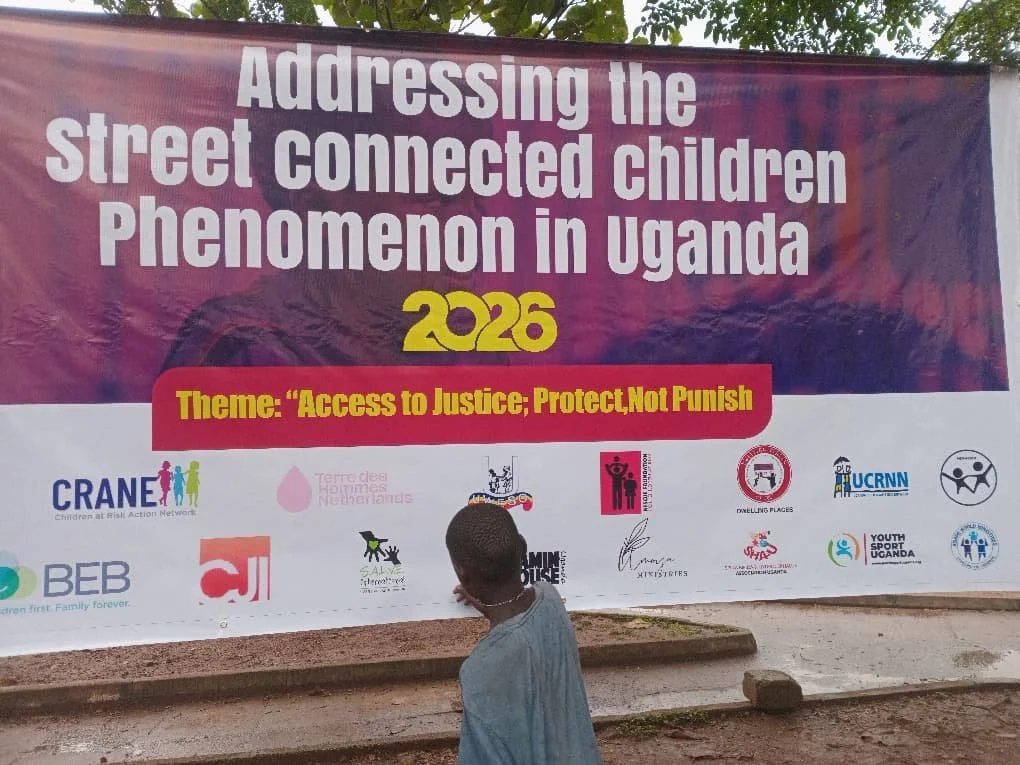
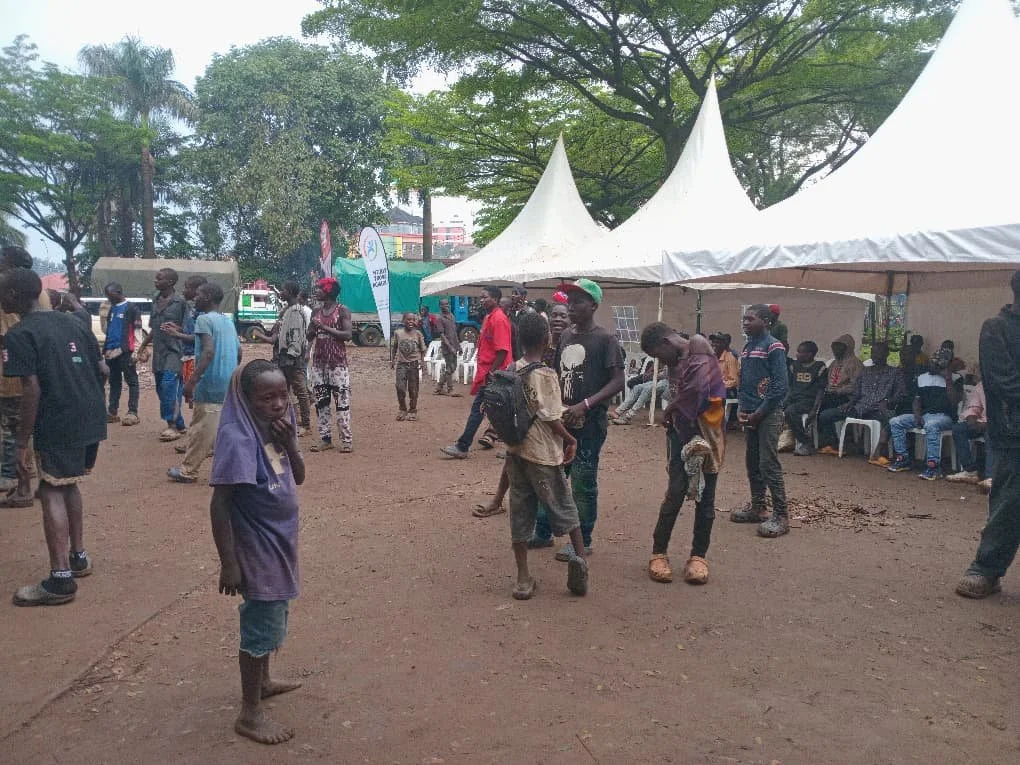
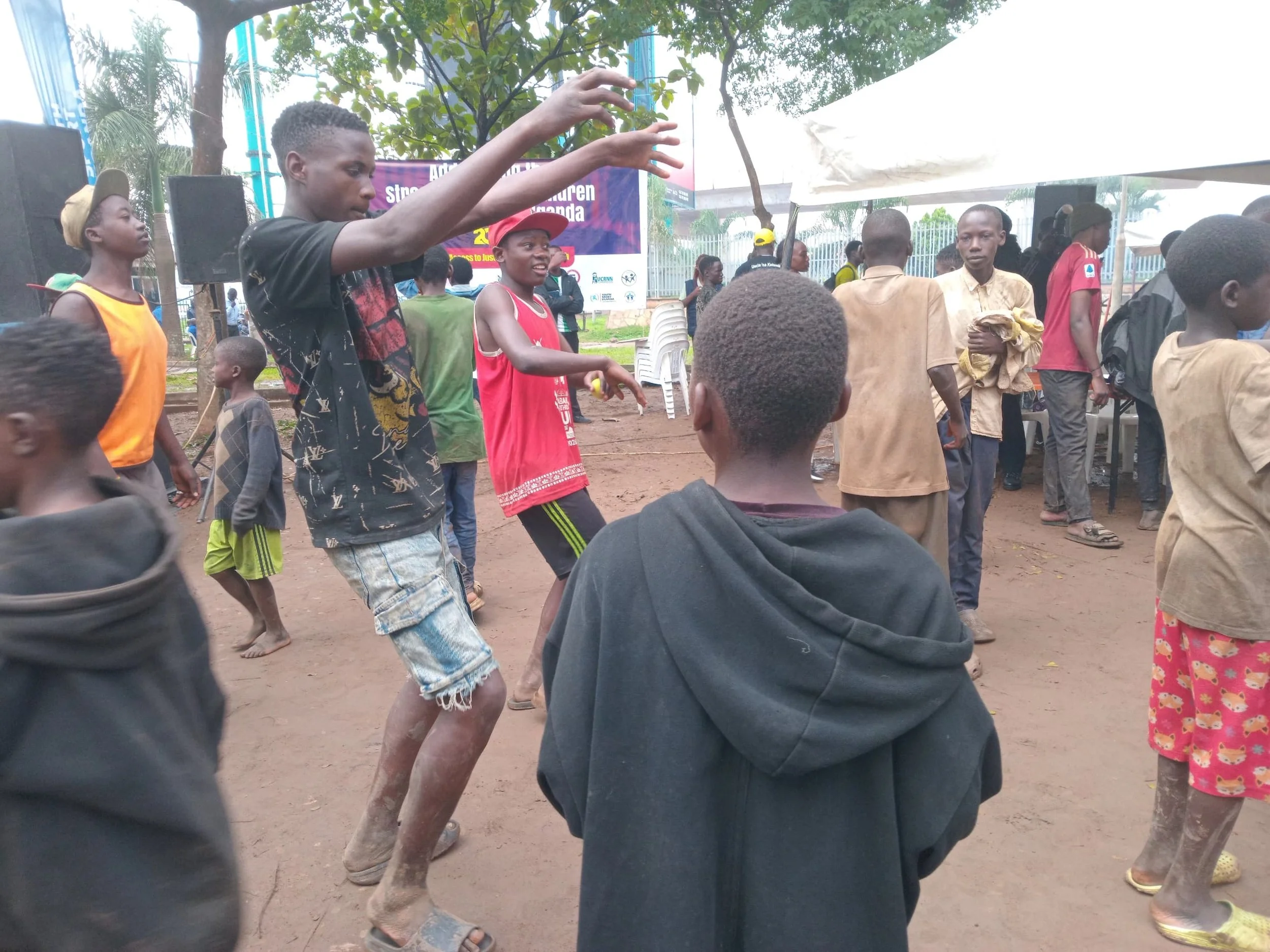
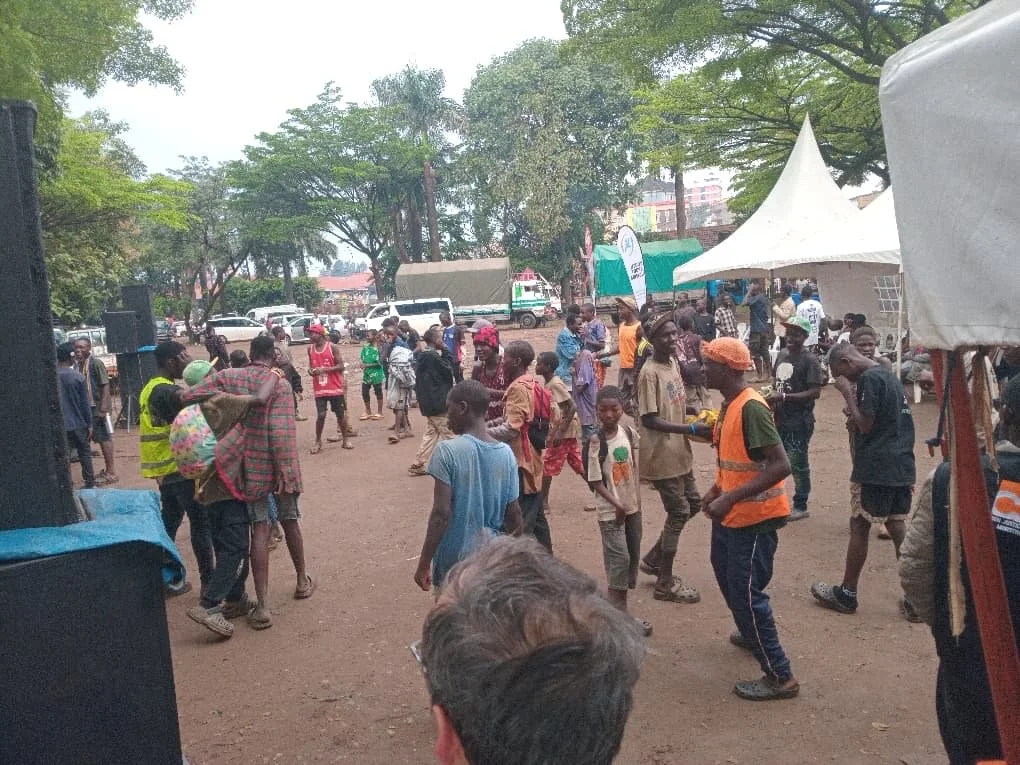
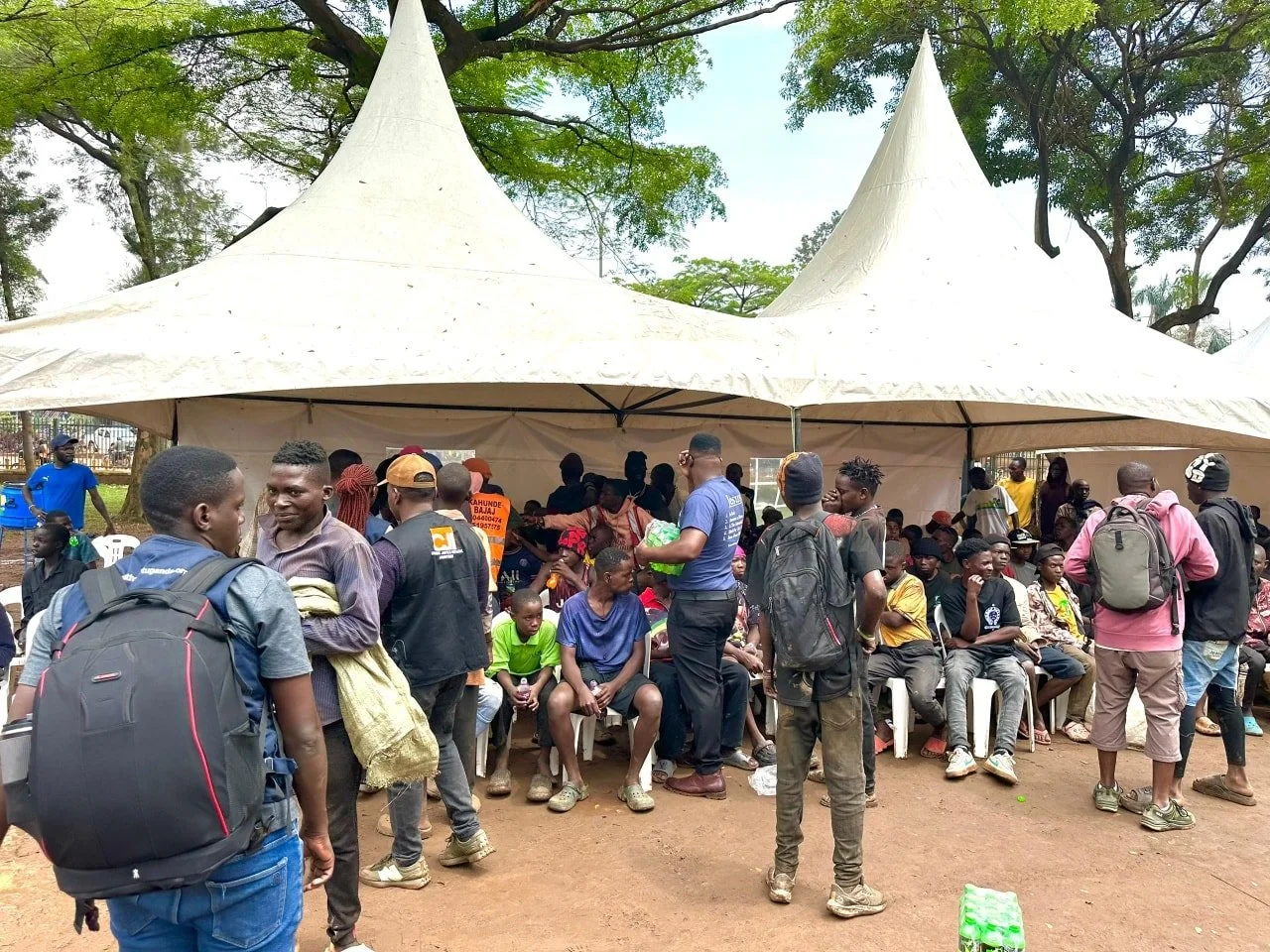
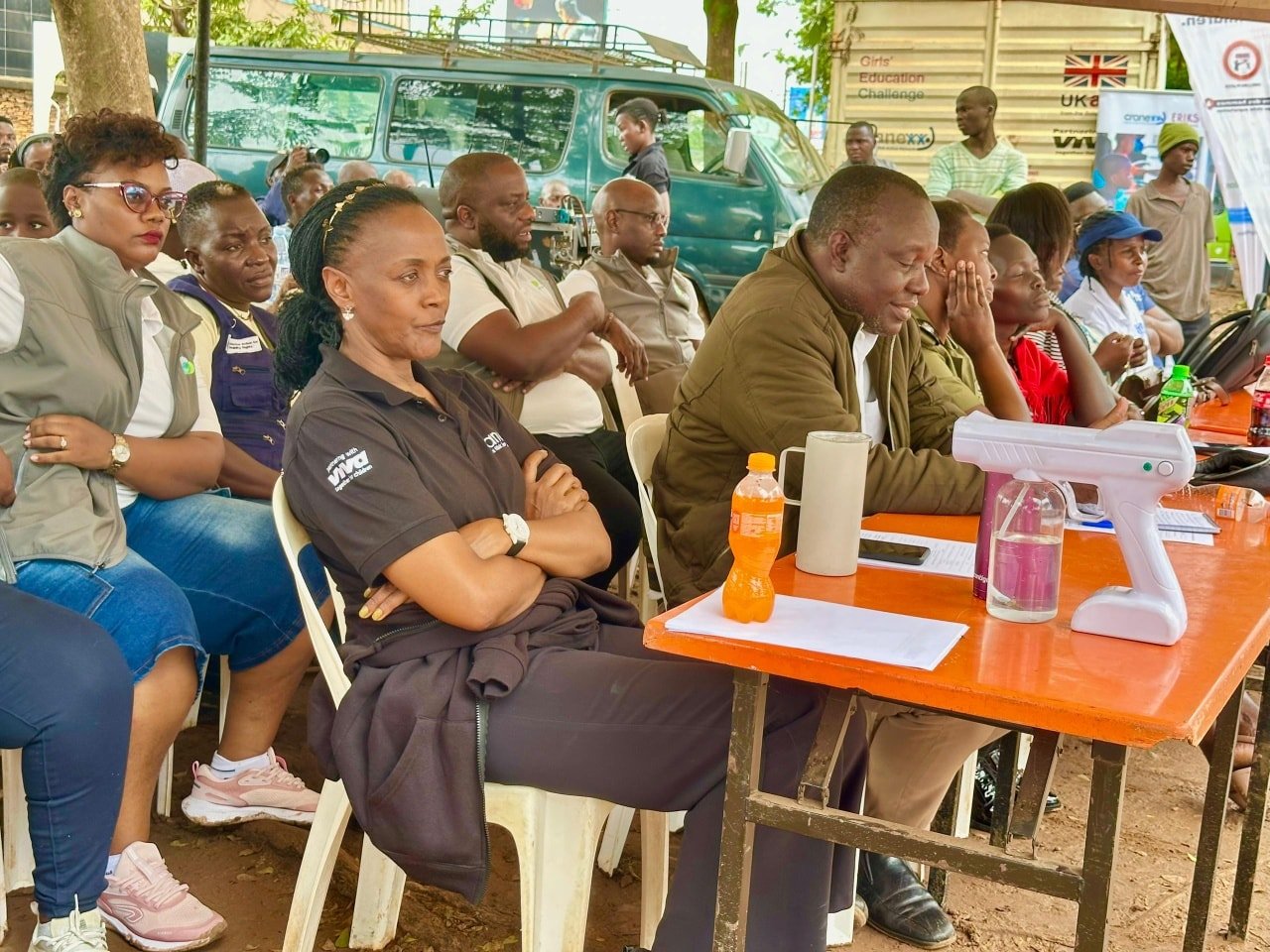
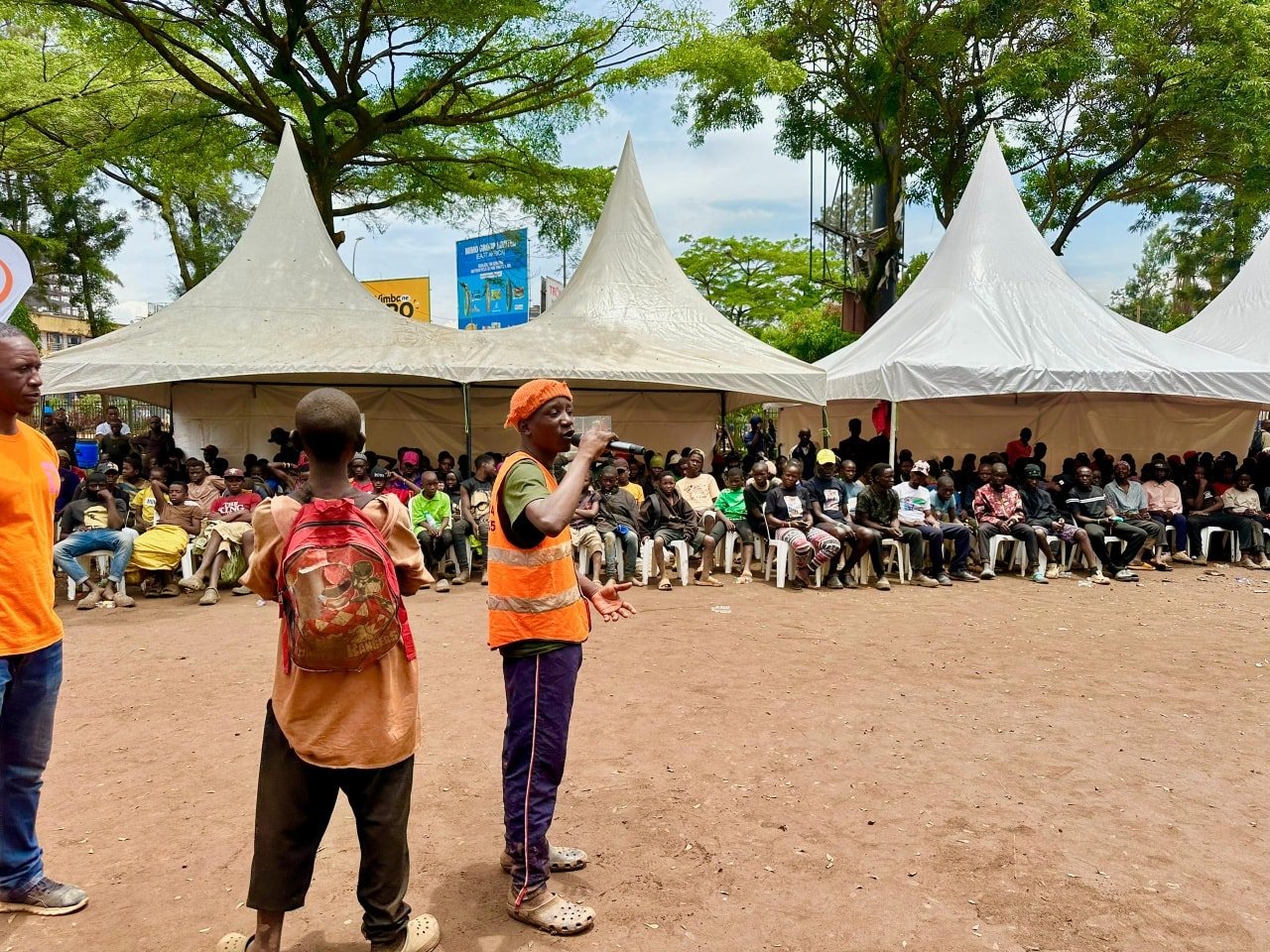
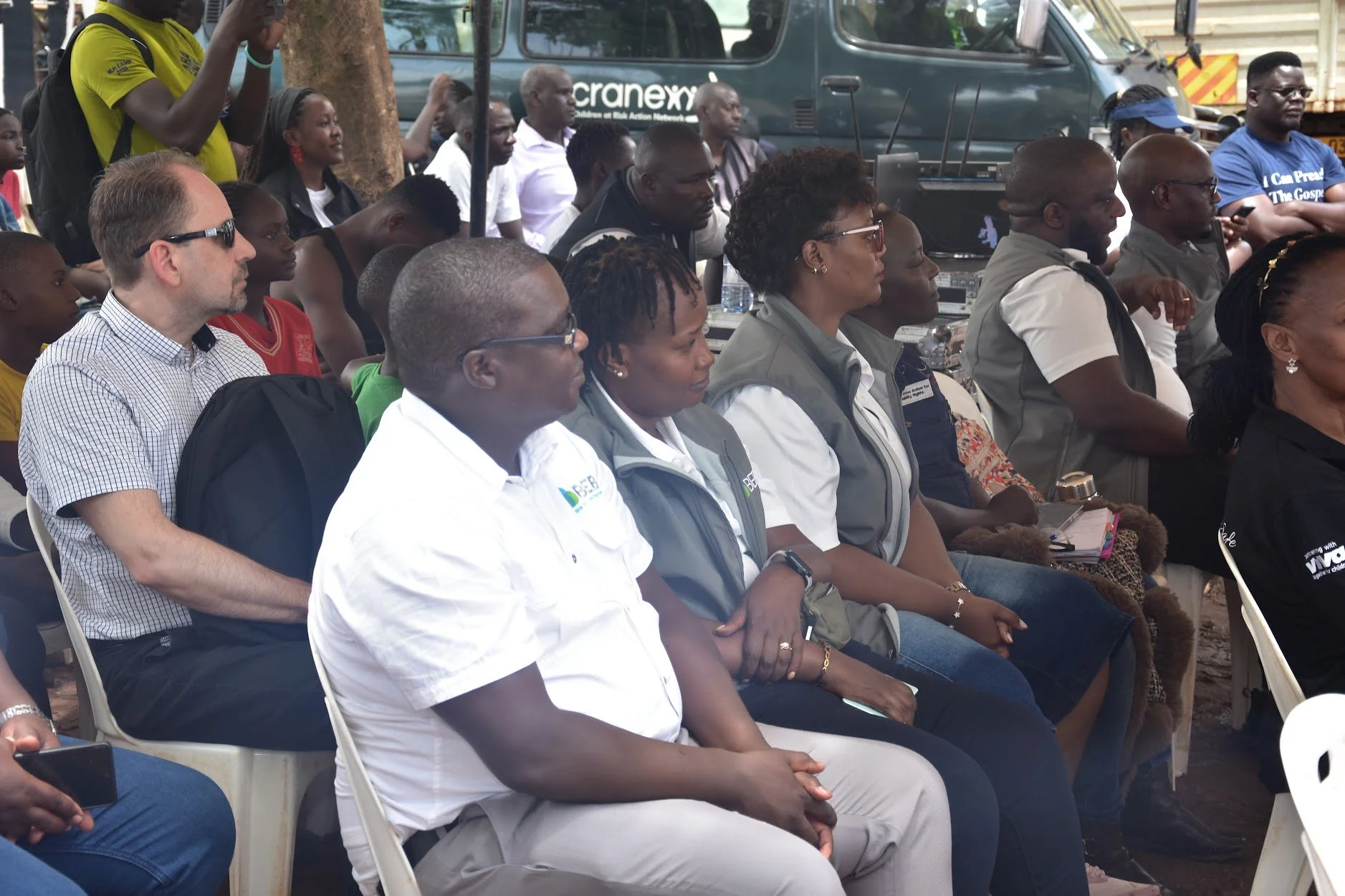
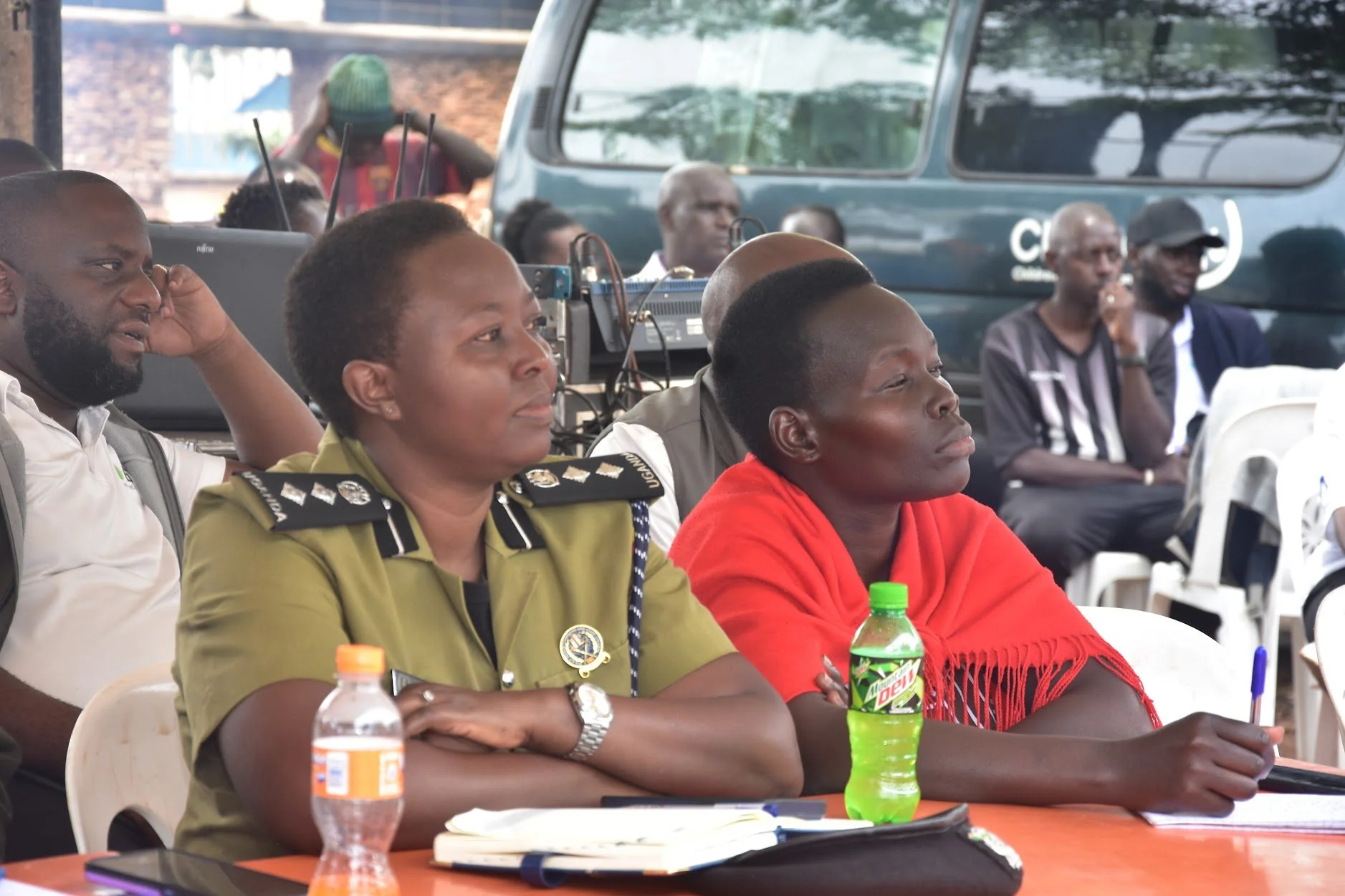
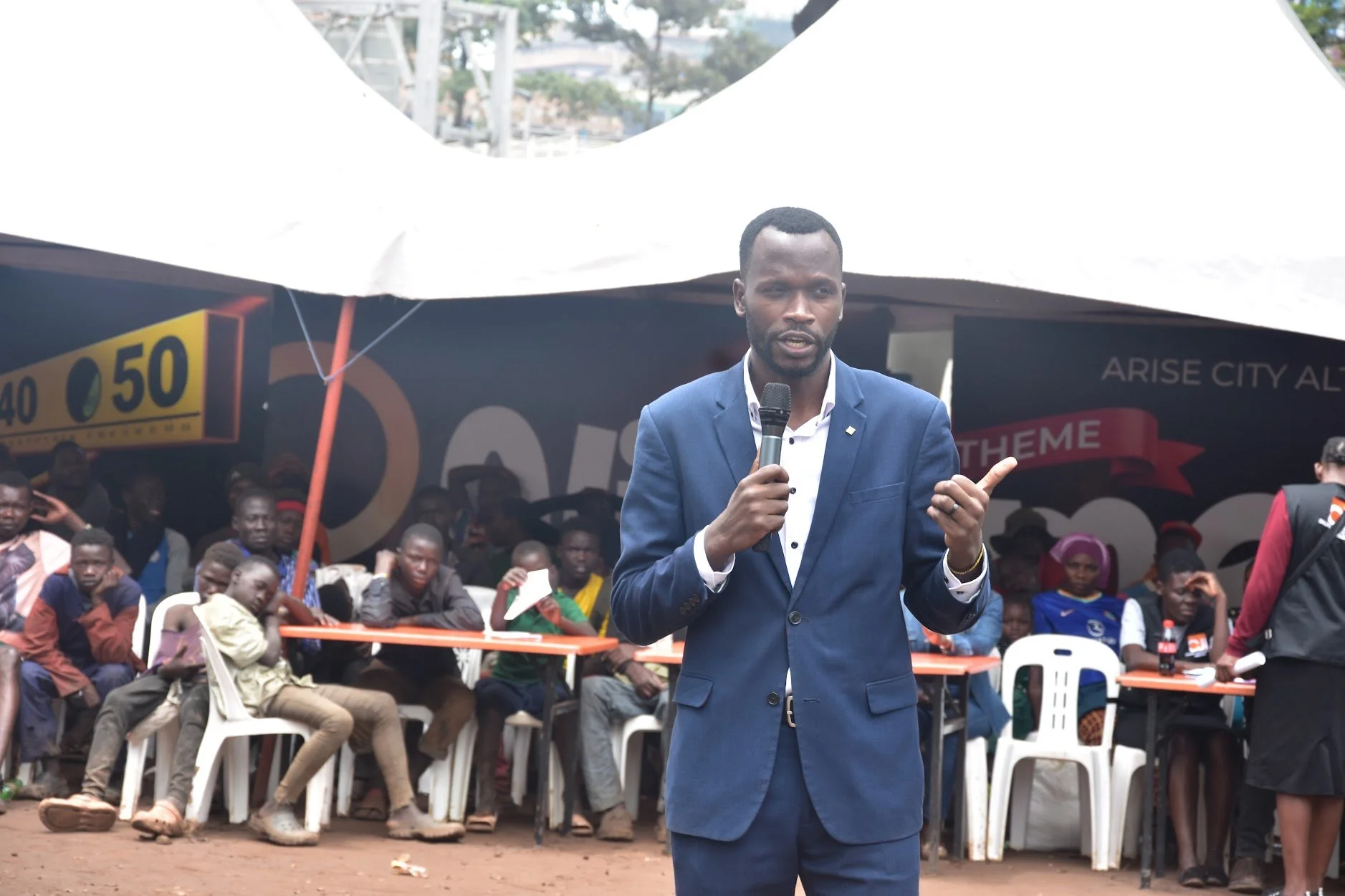
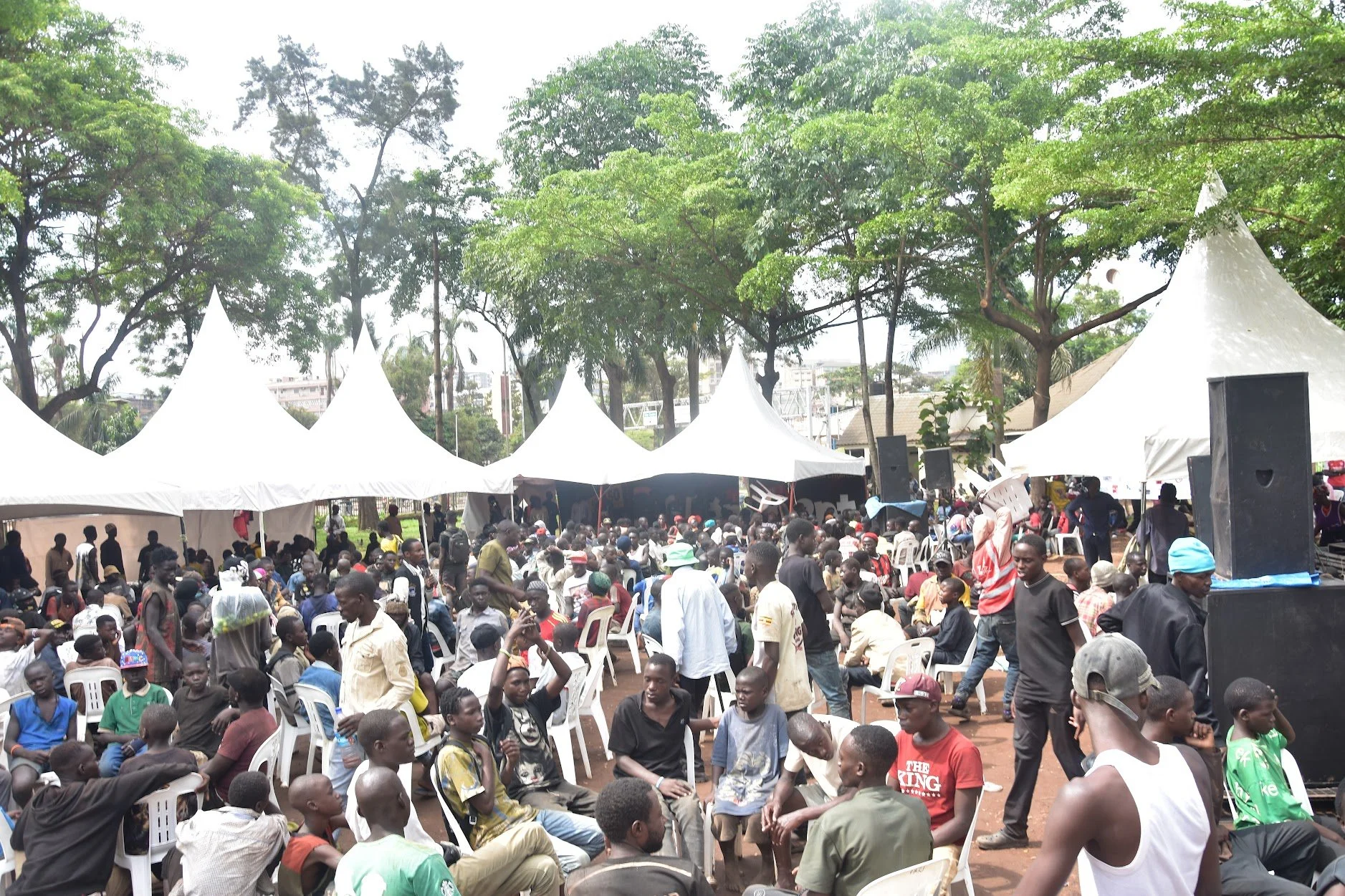
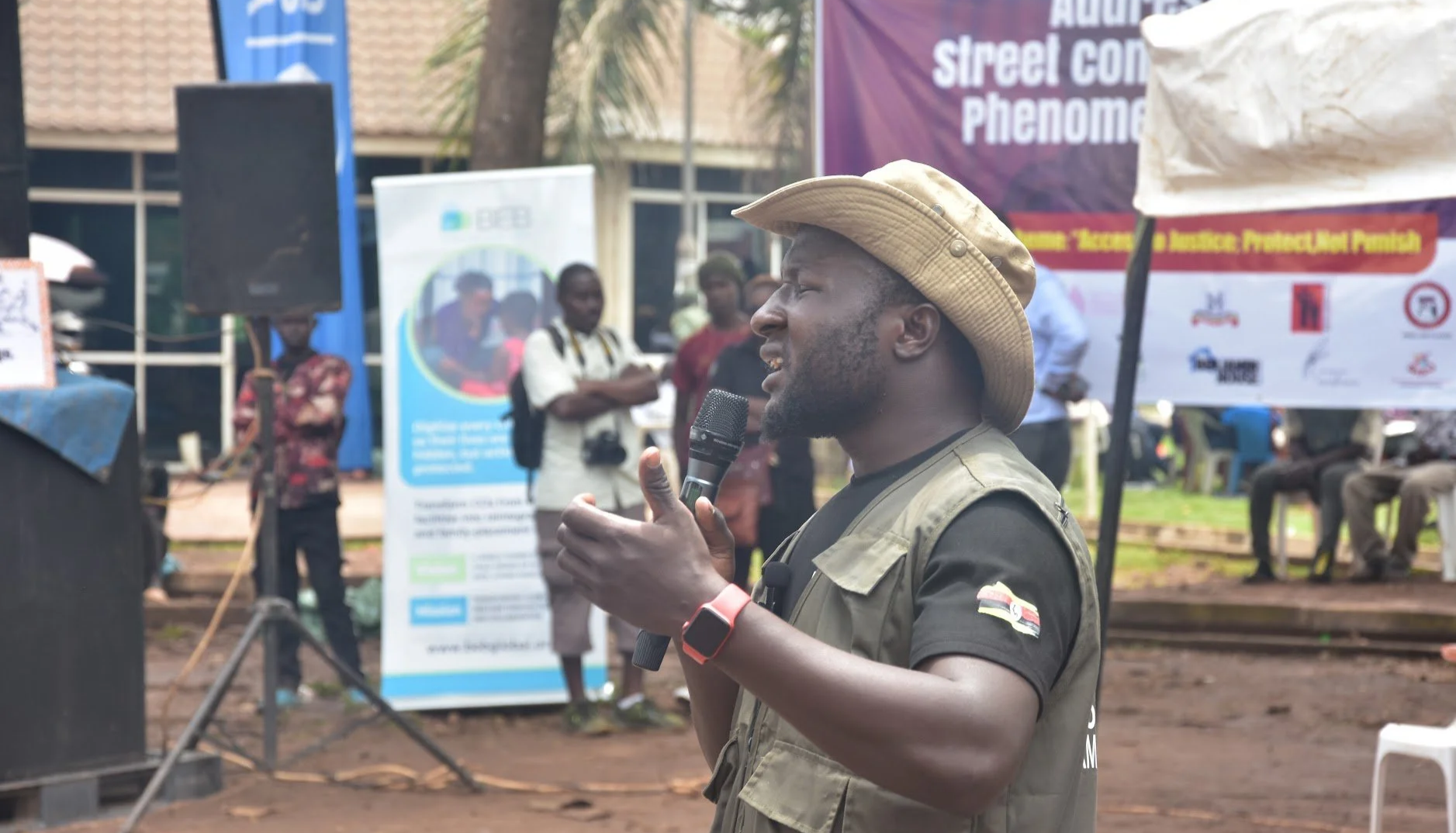
As part of this work, we participated in the National Commemoration of the International Day for Street-Connected Children in Uganda. This provided an opportunity to stand alongside other organisations and communities advocating for the rights and wellbeing of children who have experienced street life.
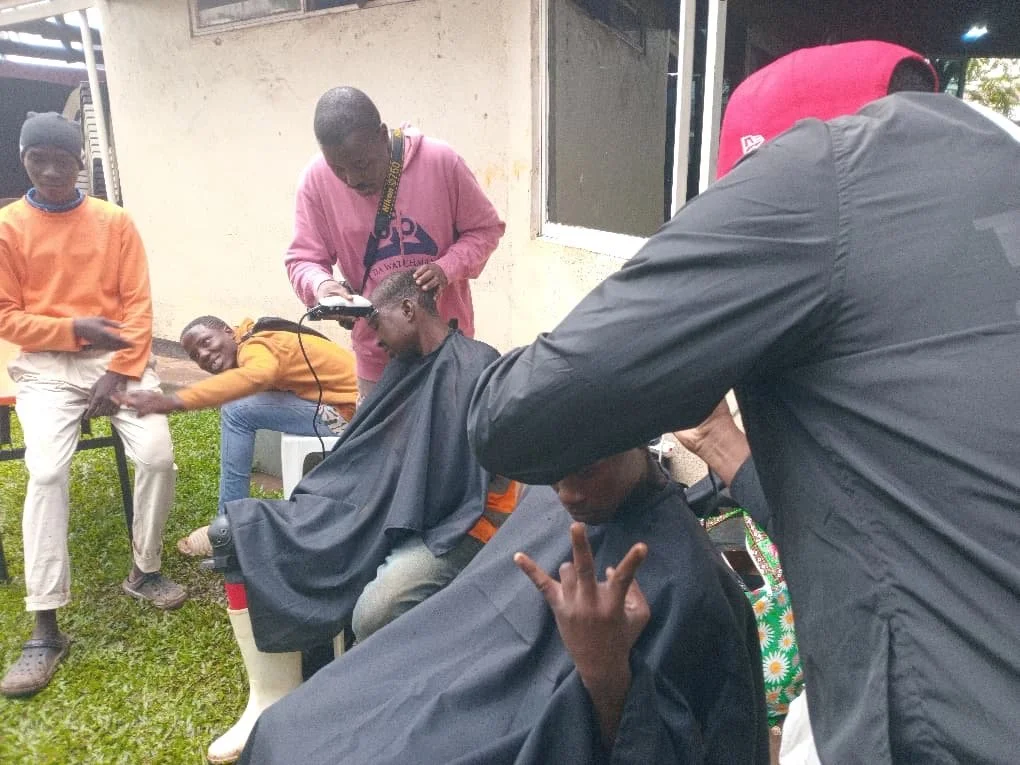
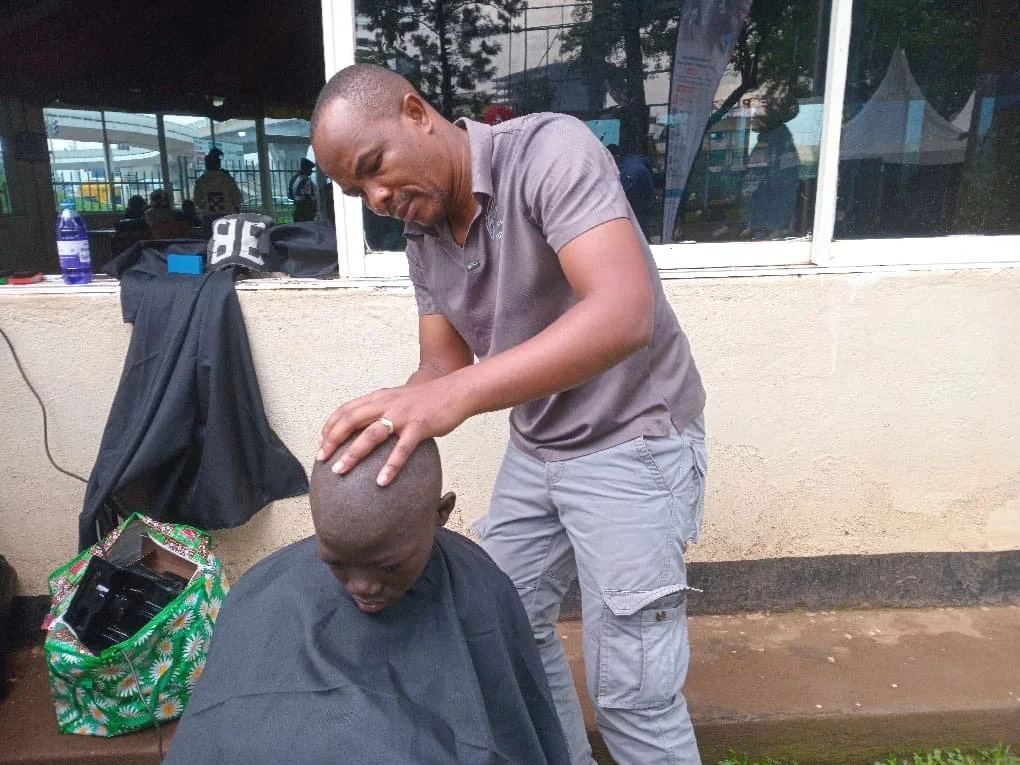
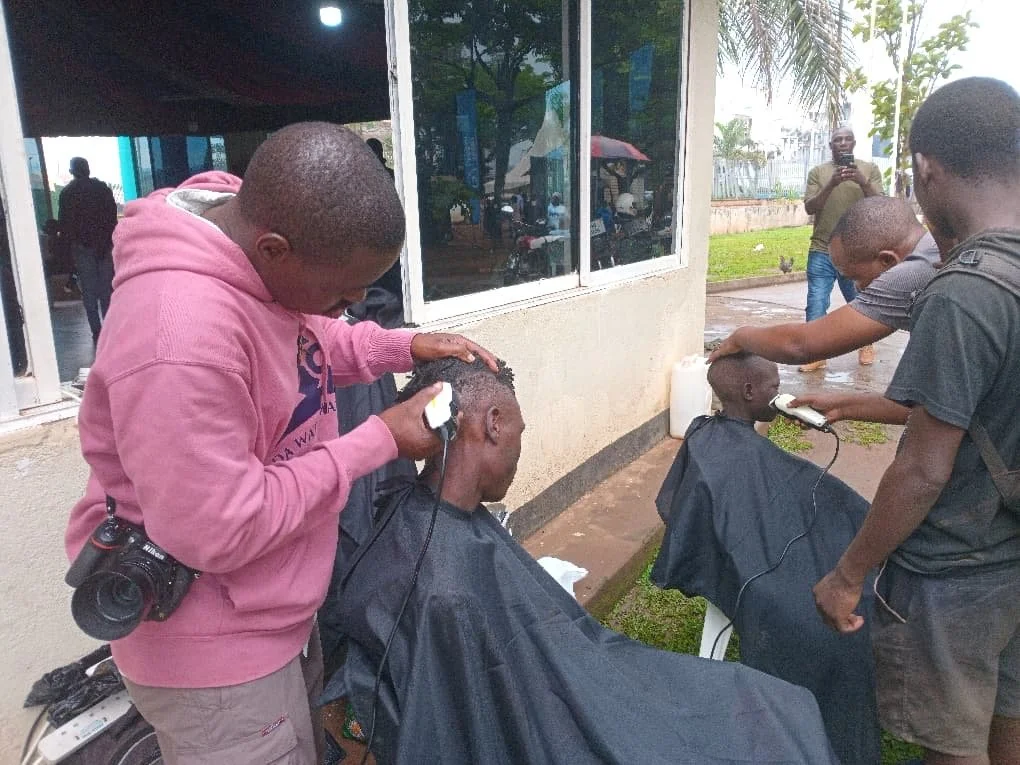
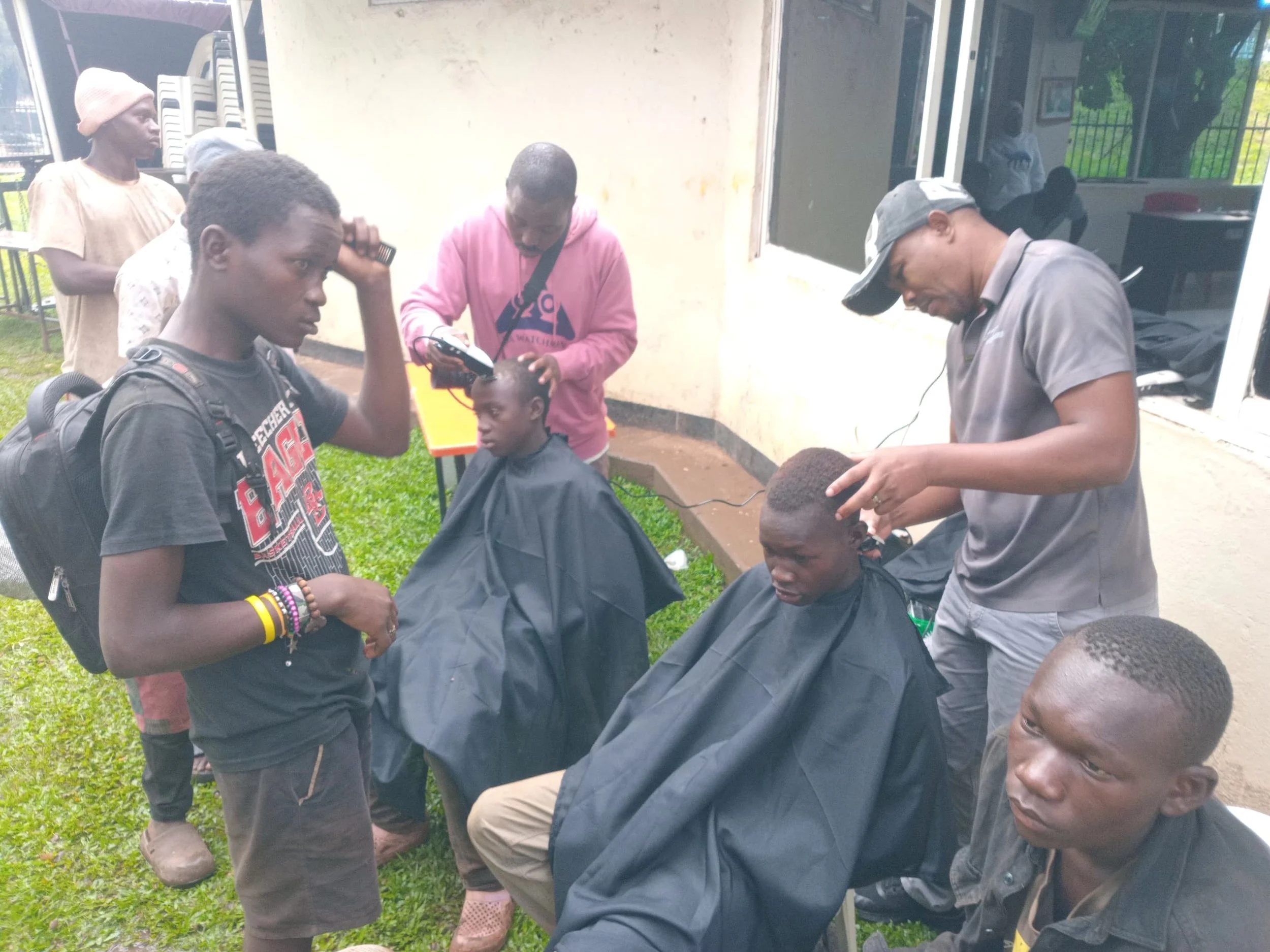
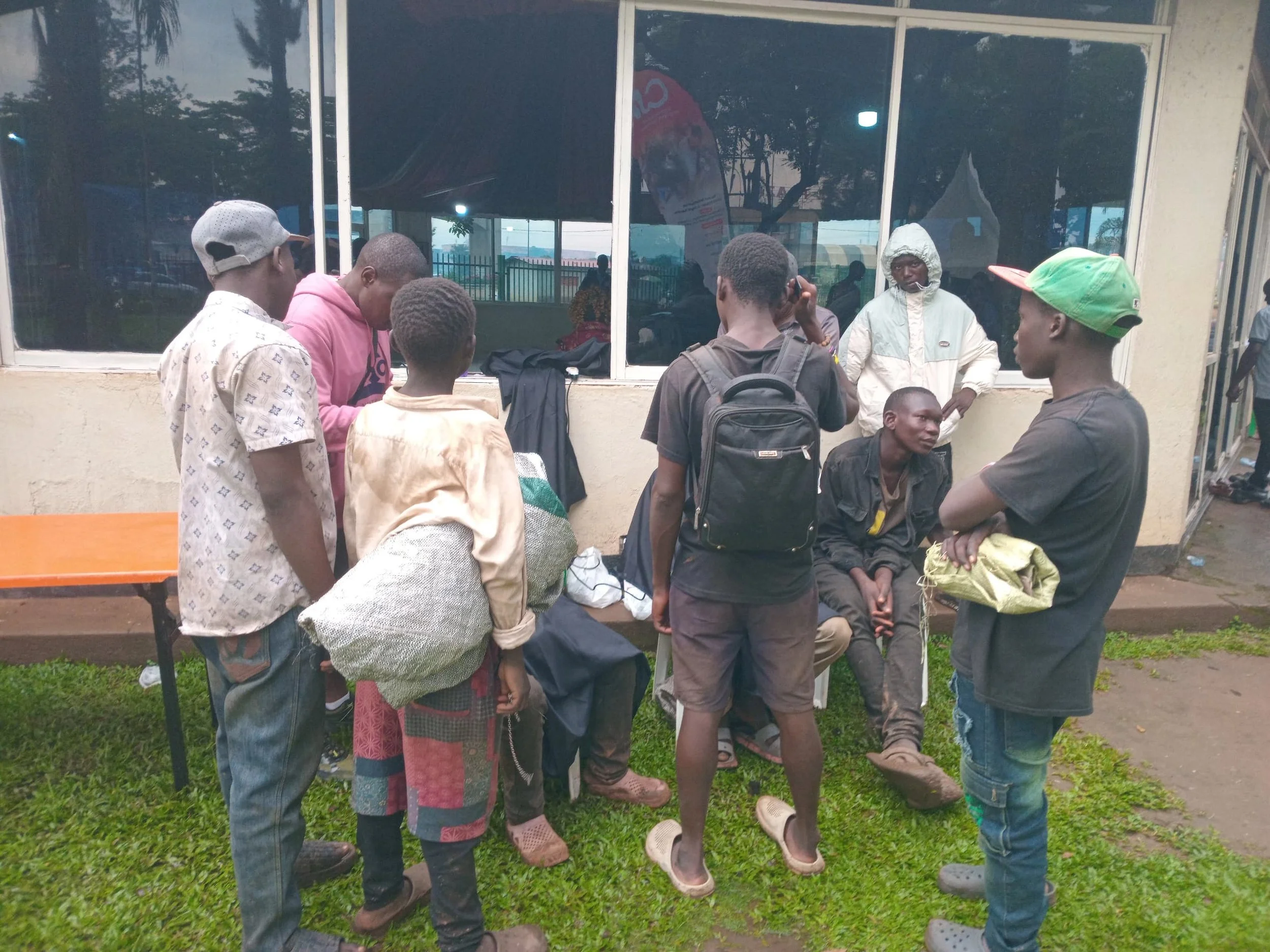
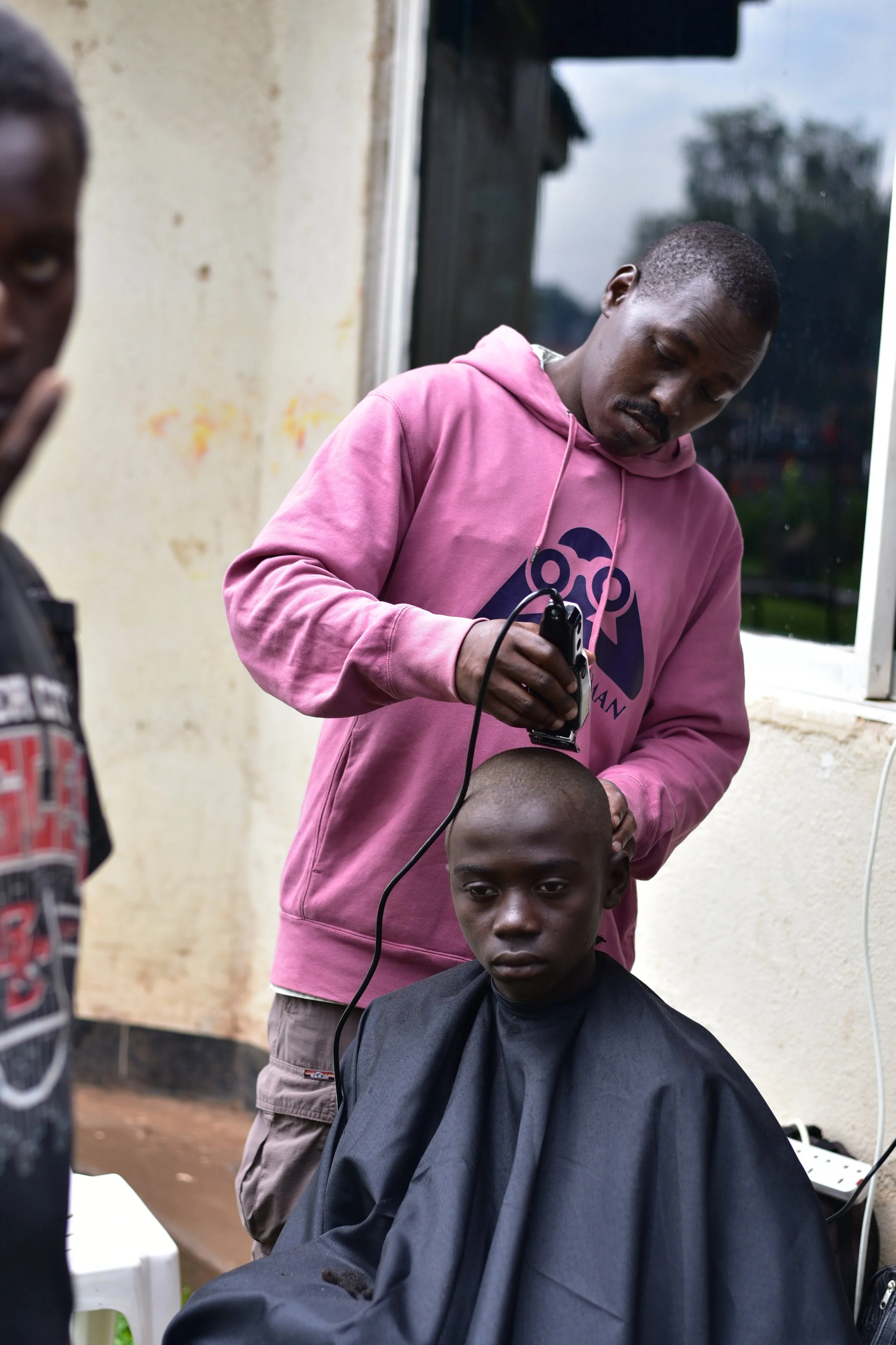
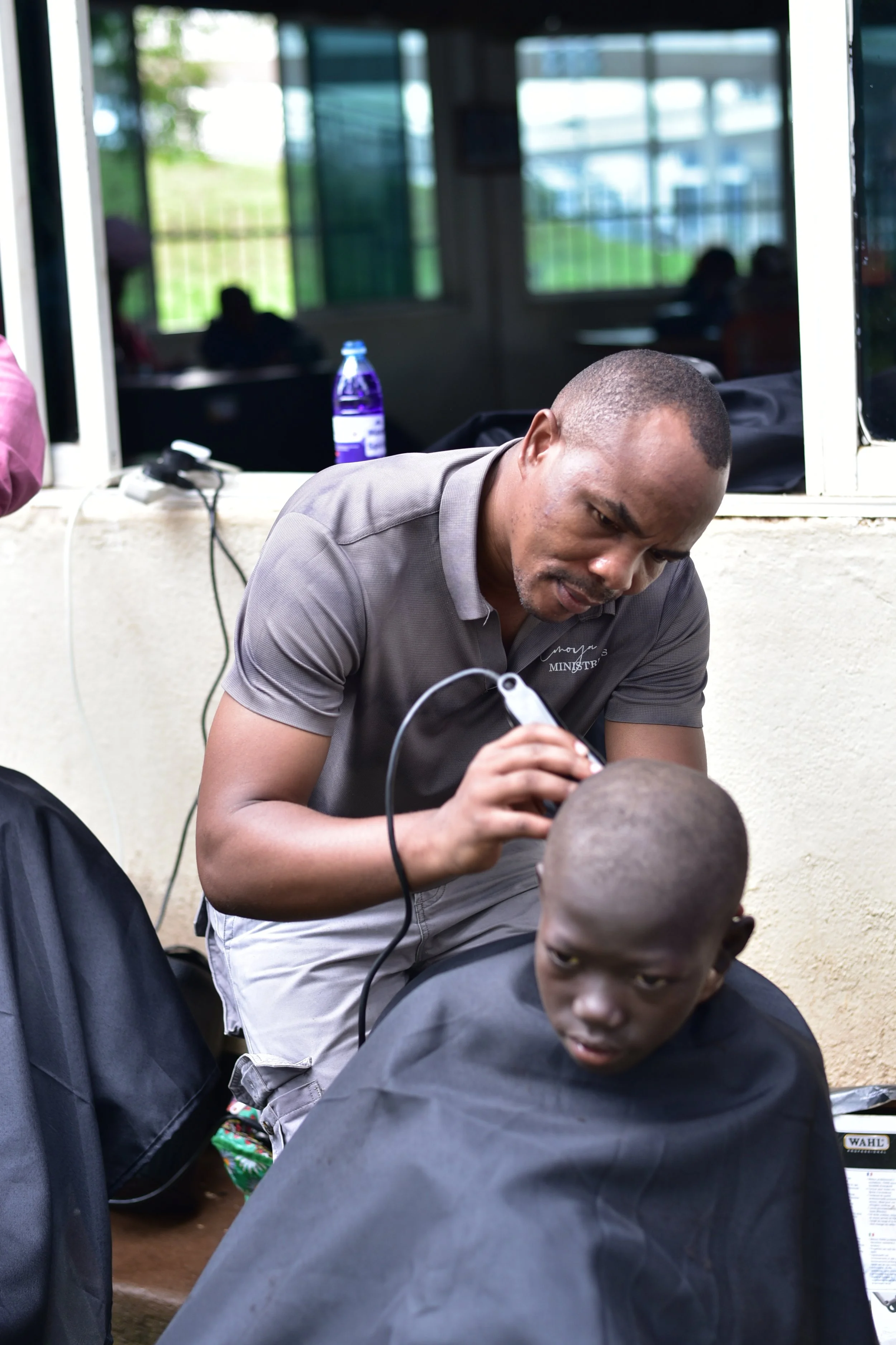
During the event, our team supported children through practical care activities. These simple forms of care help restore dignity and provide immediate, practical support.
We also had the opportunity to share in media coverage through a local news station, helping to raise awareness of the realities faced by street-connected children and the importance of coordinated community response.
We look forward to continuing to participate in this annual event and strengthening our advocacy work in the years ahead.